In the debate over sustainable packaging, the choice between Cotton Bags and Plastic Bags is often more complex than it appears on the surface. For B2B buyers looking to make data-driven decisions, a Lifecycle Analysis (LCA) is essential. An LCA looks at the environmental impact of a product from "cradle to grave"—including raw material extraction, manufacturing, transportation, use, and disposal.
The Plastic Bag: A Low-Impact Start with a High-Impact End
Production
Single-use plastic bags (HDPE) are incredibly efficient to produce. They require very little water and energy per unit. However, they are derived from non-renewable petroleum, a significant drawback for any sustainability-focused brand.
Use and Disposal
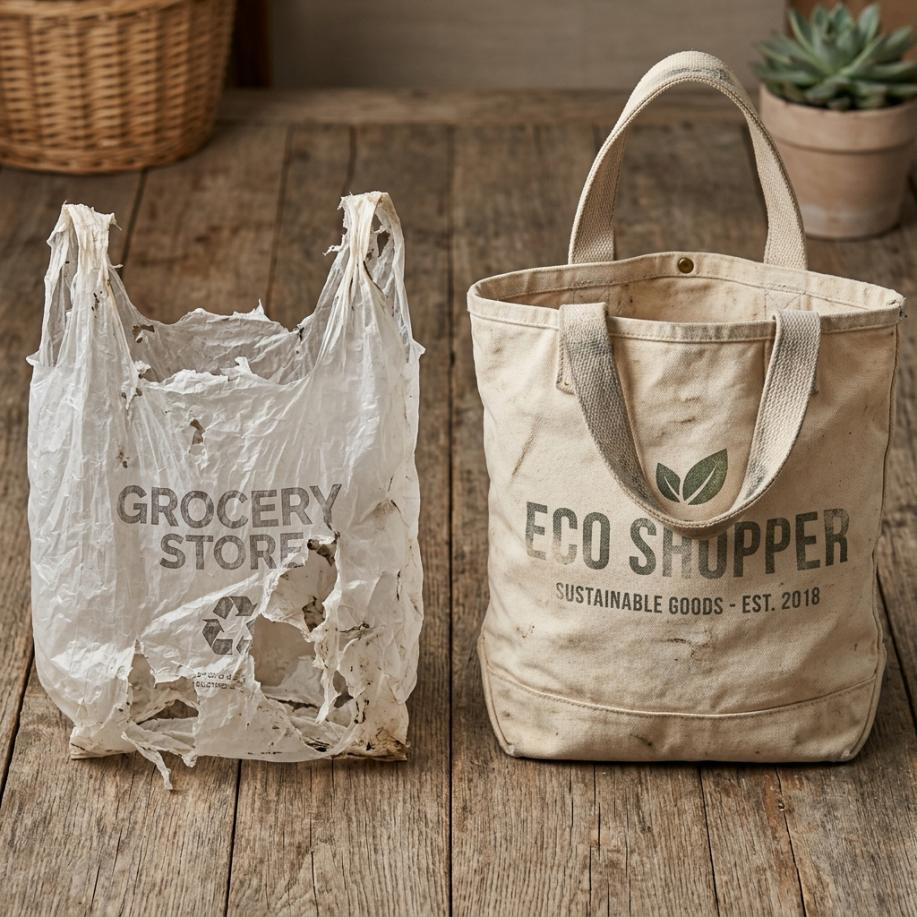
This is where the plastic bag fails. With an average use time of just minutes, billions of these bags end up as litter. They do not biodegrade, instead breaking down into microplastics that remain in the environment for hundreds of years. The cost of environmental cleanup far outweighs the initial manufacturing efficiency.
The Cotton Bag: A High-Impact Start with a Sustainable End
Production
Growing cotton is resource-intensive, requiring significant water and land. However, when you source Organic Cotton or Recycled Cotton from manufacturers like Wenzhou Xinghe Packaging, these impacts are substantially mitigated through better agricultural practices and the elimination of synthetic pesticides.
The Power of Reuse
The environmental "debt" incurred during the production of a cotton bag is repaid through reuse. Research suggests that a cotton bag must be used between 50 and 150 times to have a lower global warming potential than a single-use plastic bag. Because a well-made cotton tote can last for years (and be used thousands of times), it eventually becomes the far superior choice for the environment.
Disposal
At the end of its long life, a 100% cotton bag is biodegradable. It can be composted or recycled back into textile fibers, fitting perfectly into a circular economy model.
Comparison Table for B2B Buyers
| Feature |
Single-Use Plastic |
Cotton Tote Bag |
| Material Source |
Non-renewable Petroleum |
Renewable Plant Fiber |
| Durability |
Low (Single use) |
High (Years of use) |
| Brand Exposure |
Minutes |
Years |
| End-of-Life |
Persistent Pollution |
Biodegradable / Recyclable |
| Environmental ROI |
Negative |
Positive (after ~100 uses) |
Strategic Recommendations for Businesses
1. Encourage Reuse: If you provide cotton bags, ensure they are high quality so customers want to keep them.
2. Choose Organic or Recycled: Minimize the production impact by choosing more sustainable fiber sources.
3. Education: Use your bag's surface to tell the lifecycle story, encouraging customers to reuse the bag until it wears out.
Conclusion
While plastic bags are cheap and easy to make, their long-term environmental cost is unsustainable. Cotton bags represent a long-term investment in both the planet and your brand's reputation. At Wenzhou Xinghe Packaging, we specialize in high-durability cotton bags that maximize the environmental return on your investment.
Ready to make the switch? Contact us today to explore our premium, long-lasting cotton bag collections.







 Hot News