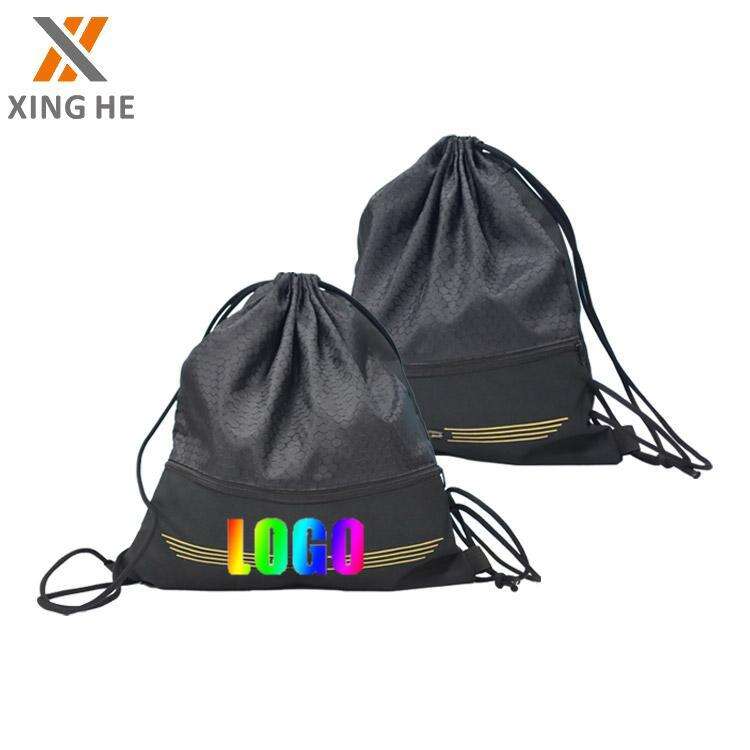
In the global fight against plastic pollution, the role of businesses cannot be overstated. From retail giants to small wholesalers, the shift from single-use plastic to reusable bags represents one of the most effective strategies for long-term environmental restoration. For B2B decision-makers, understanding the ripple effect of this transition is key to building a sustainable future.
The Magnitude of the Plastic Problem
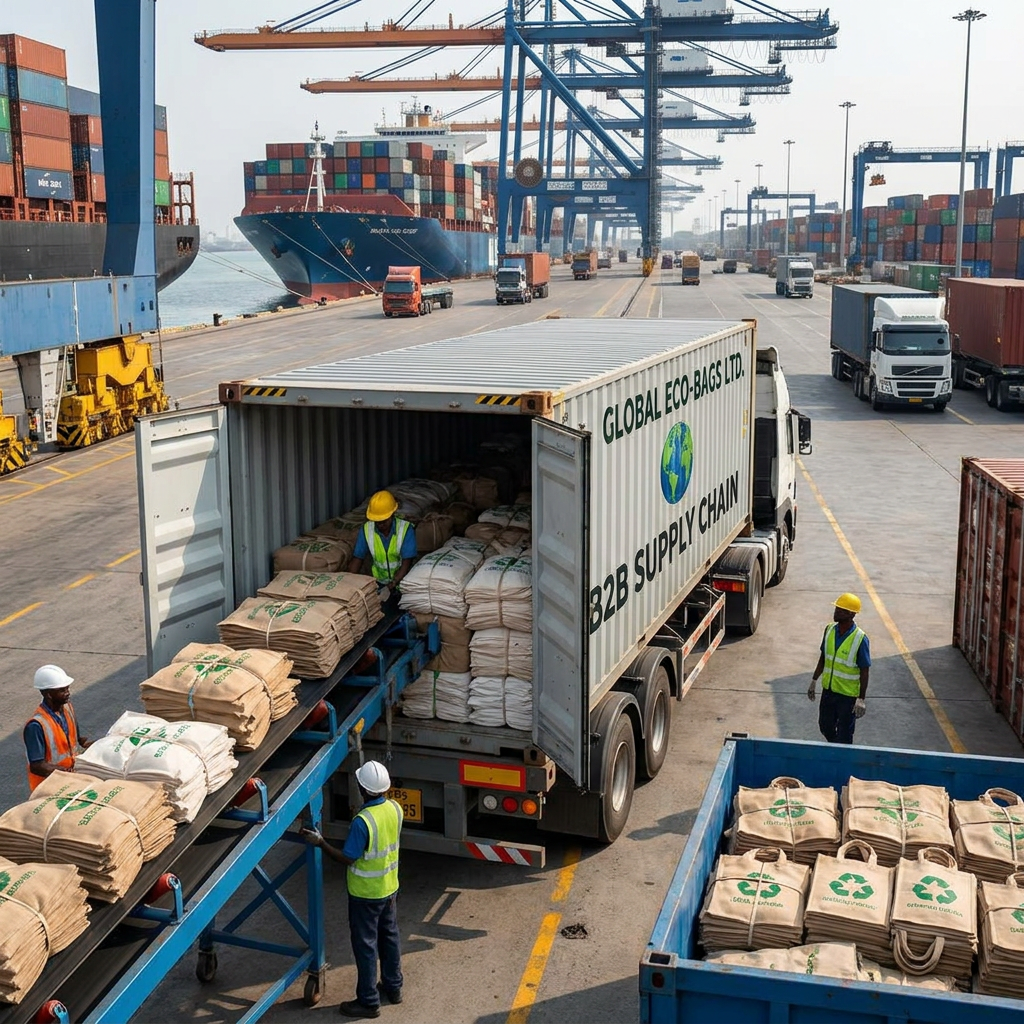
Traditional single-use plastic bags take centuries to decompose, often breaking down into microplastics that infiltrate our soil, water, and food chain. In a B2B context, the sheer volume of plastic packaging used in shipping and retail is staggering. By integrating reusable alternatives into the distribution cycle, businesses can drastically cut down on "upstream" waste before it even reaches the consumer.
Why Reusable Bags are the Answer
1. Superior Durability and Lifecycle
A high-quality reusable bag—whether made from cotton, rPET, or non-woven PP—is designed for hundreds of uses. In contrast, the average lifespan of a plastic shopping bag is less than 15 minutes. For a business, this means that providing one durable bag can displace the need for hundreds of disposable ones, leading to a significant net reduction in waste.
2. Branding that Lasts
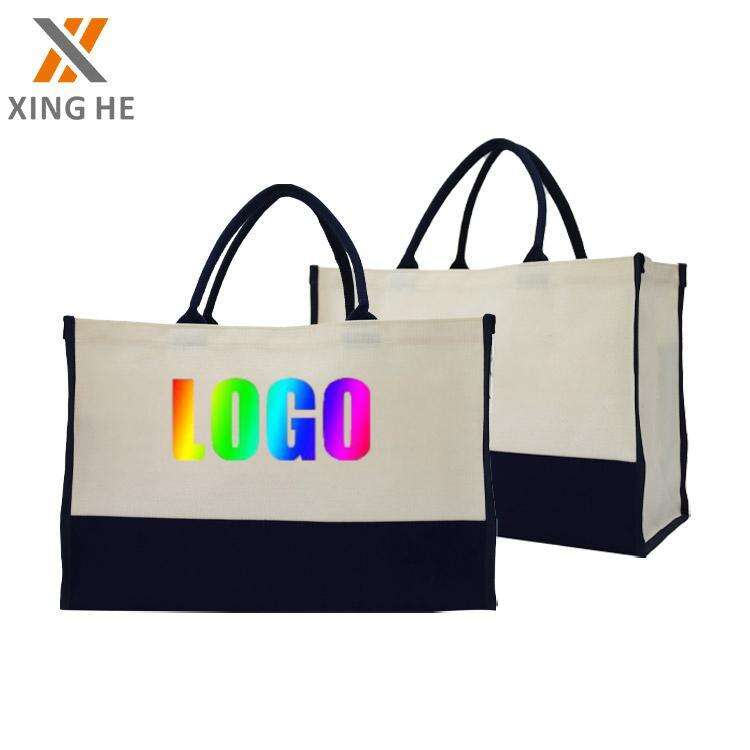
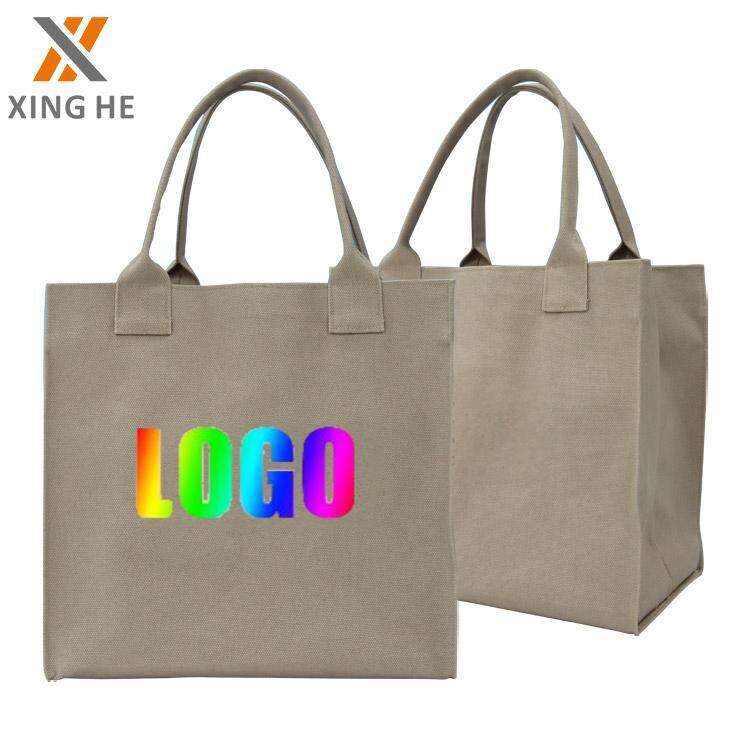
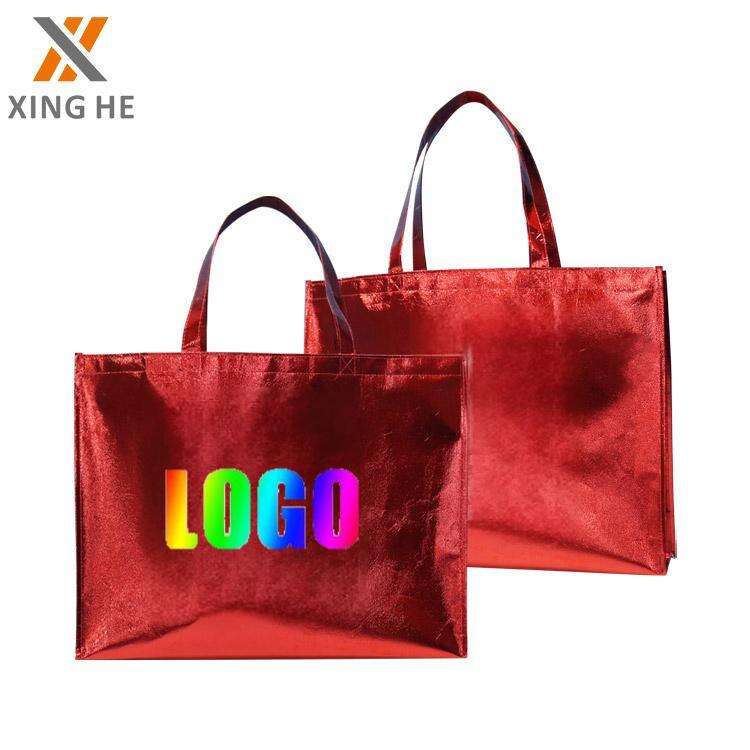
From a marketing perspective, a reusable bag is a long-term investment. Unlike a plastic bag that is discarded immediately, a branded tote bag becomes a mobile advertisement. Every time a customer carries your high-quality reusable bag, they are reinforcing your brand's commitment to sustainability in public spaces.
3. Supply Chain Efficiency
While the unit cost of reusable bags is higher, the logistical benefits are clear. Durable bags are less prone to tearing during transit, reducing product loss. Furthermore, as more jurisdictions implement plastic bans and "polluter pays" taxes, the economic argument for reusable bags becomes even stronger.
Wenzhou Xinghe Packaging: Your Partner in Sustainability
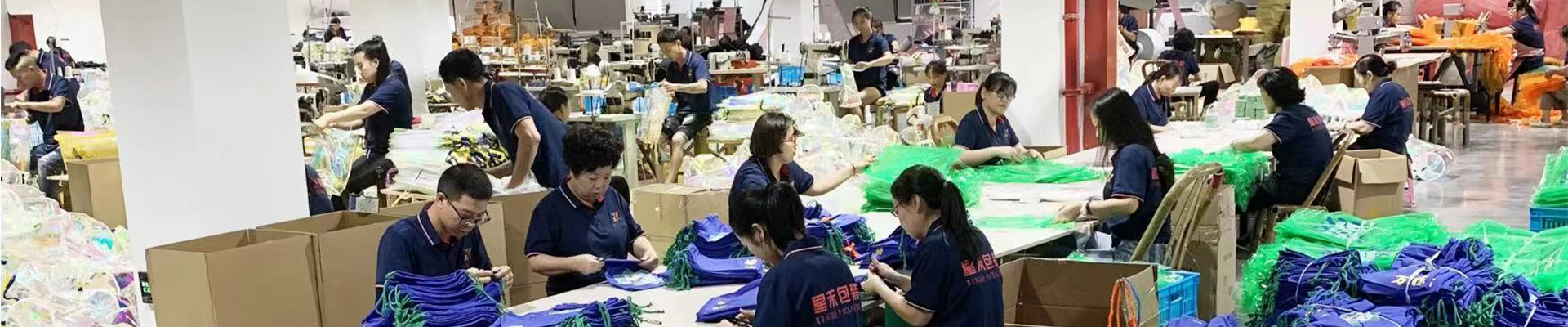
As a leading manufacturer, Wenzhou Xinghe Packaging is dedicated to providing B2B clients with high-performance reusable solutions. Our bags are engineered for longevity, using reinforced stitching and premium materials that withstand the rigors of heavy use.
We offer:
- Bulk Supply for Wholesalers: Scalable production to meet global demand.
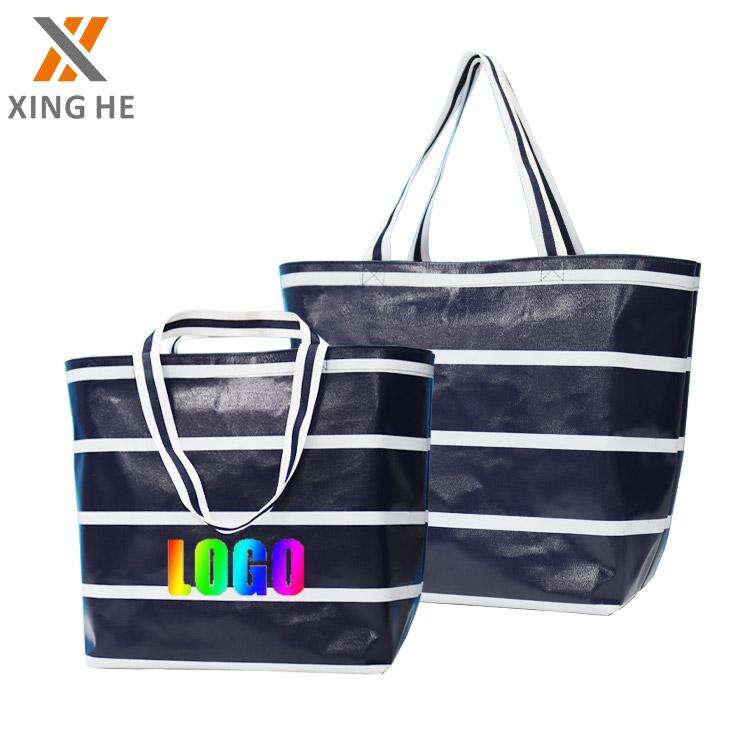
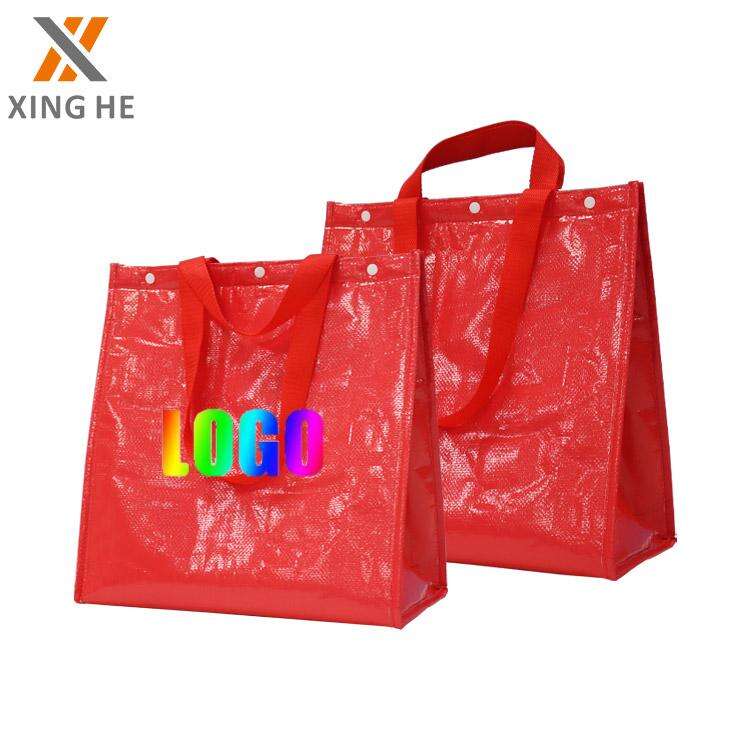
- Custom Eco-Materials: Options ranging from recycled polyester to organic canvas.
- Consultative Sourcing: Helping you choose the right bag type for your specific industry needs.
The Ethical Imperative
Beyond the balance sheet, businesses have a moral obligation to protect the planet. Adopting reusable bags is a tangible way to demonstrate corporate social responsibility (CSR). It signals to stakeholders, employees, and customers that your company values long-term ecological health over short-term convenience.
Conclusion
Reducing plastic pollution is a collaborative effort. By choosing reusable bags, B2B buyers can lead the charge toward a cleaner, greener world while simultaneously enhancing their brand's value.
Join the movement today with Wenzhou Xinghe Packaging—where quality meets sustainability.

 Hot News